During the early days of the United States, many Scots-Irish people immigrated to the mountains of North Carolina, bringing their culture and traditions with them. One tradition was making alcohol from fruits and grains. This area was excellent for distilling alcohol; the rich soil produced an abundance of fruits for brandy and corn for whiskey, plus the mountain streams and creeks provided cold water needed for the process.
Appalachian Mountain Moonshine
Revolution, Reaction, Reform
National History Day 2026
History

Appalachian Mountains Courtesy of PeakBagger.com
History
“The making, the drinking, and the marketing of corn whiskey are deeply enmeshed in the rural and pioneer Southern mystique, much more deeply than perhaps many Southern social historians have been aware. The fiery beverage has been rooted in the lives of the people in the Appalachian South for over two and a quarter centuries—and long before that in the lives of their ancestors in England, Scotland, and Ireland” - Joseph Earl Dabney
North Carolina Farmers
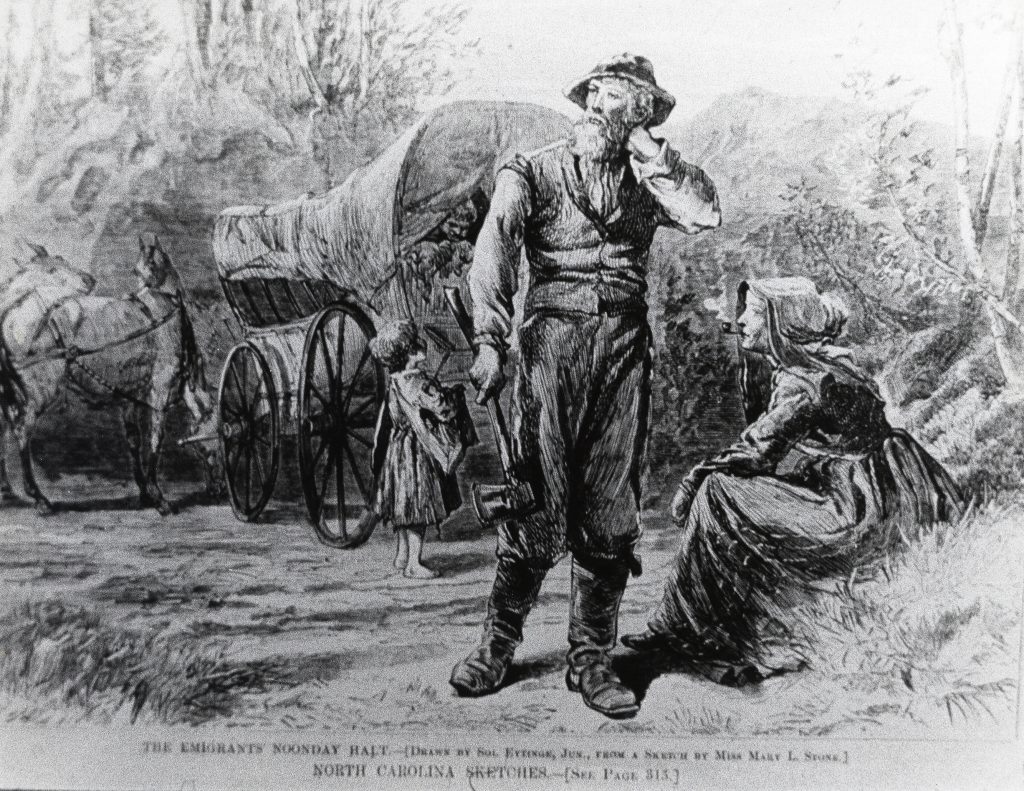
Early Settlers in North Carolina Courtesy of Digital Heritage
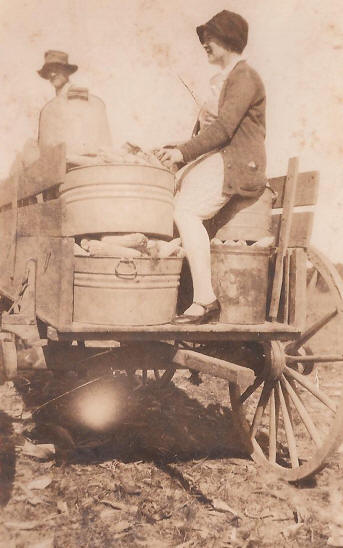
NC Farmer Hauling Corn Courtesy of History.Loftinnc.com
Nearly every farmer grew crops for his family to eat and corn to sell. Without good roads and reliable vehicles, farmers could make more money transporting alcohol to market than they could corn.
Personal Interview with Don Smith, 4th Generation "Moonshiner"
“A mule could carry about four bushels of corn on the long journey to market during the antebellum period. Yet when it was distilled into whiskey, a mule could haul the equivalent of twenty-four bushels of corn.”
- Bruce Stewart
Alcohol Taxes
“Taxation without representation caused a bloody and prolonged war, and resulted in the establishment of a Republic known as the United States of America. Taxation in these United States, without representation, is not carrying out in good faith, the policy inaugurated by the Revolutionists."
- Raleigh Daily Standard
In the early 19th century, state governments began regulating alcohol production and sales. Home brewing was an important industry for North Carolina. State lawmakers excluded small farmers from the laws applied to big distillers.
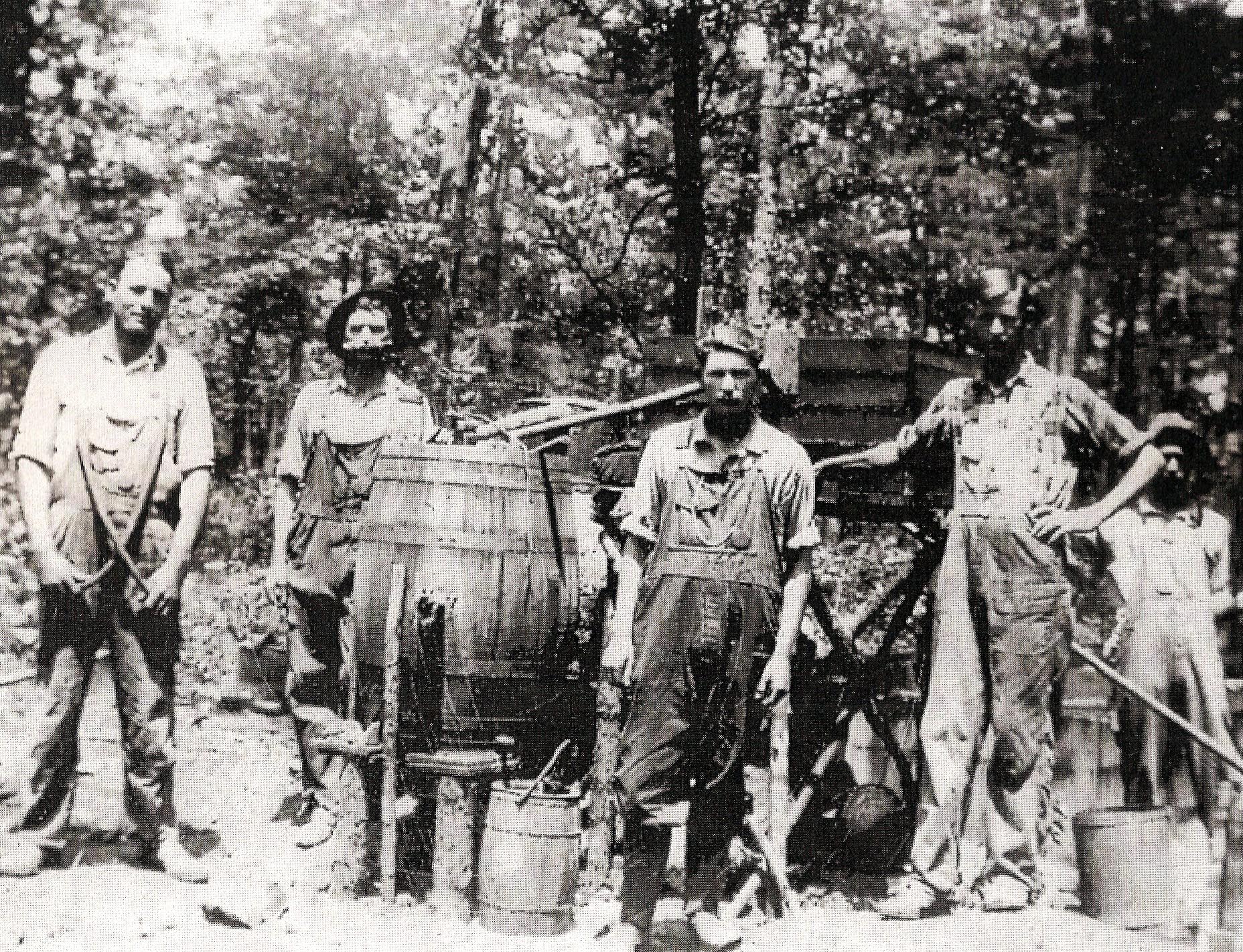
Men with Their Still Courtesy of Rabun County Historical Society
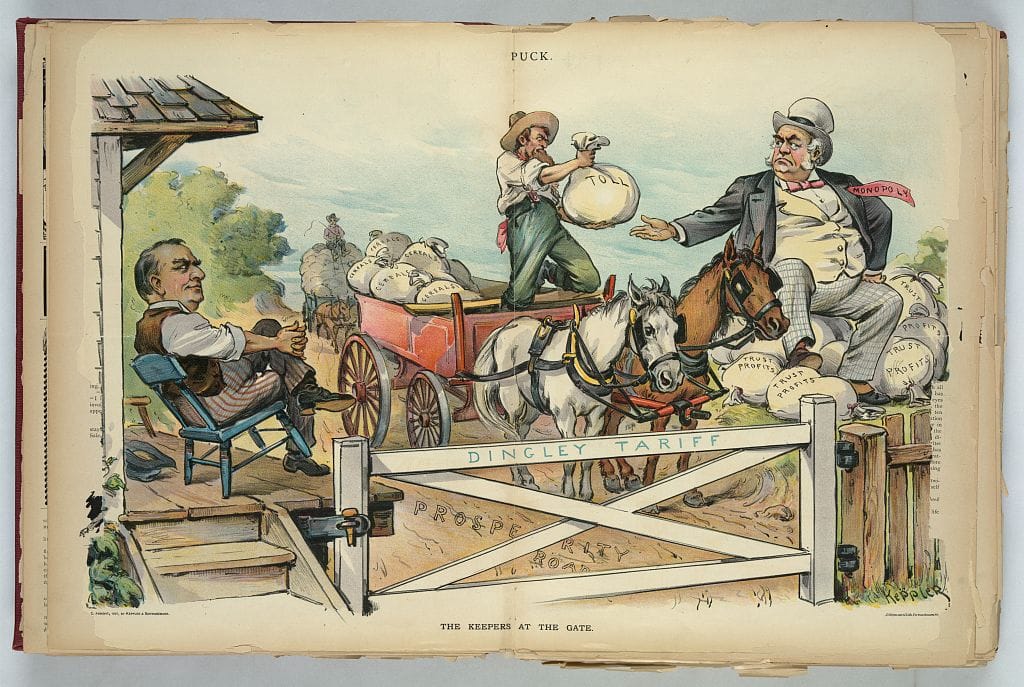
Dingley Tariff Political Cartoon Courtesy of The American Prohibition Museum
However, following the Civil War, the federal government placed a 50-cent tax on each gallon of alcohol produced to pay down the national debt. Appalachian families, still recovering from the war themselves, were upset. They viewed this as an abuse of federal power. Even people who were not involved in the business fought for the farmers’ right to produce and sell alcohol.
"A farmer should have the same right to boil his corn into 'sweet mash' as to boil it into hominy." - Alexander Stephens, GA Congressman
The Rise of Temperance
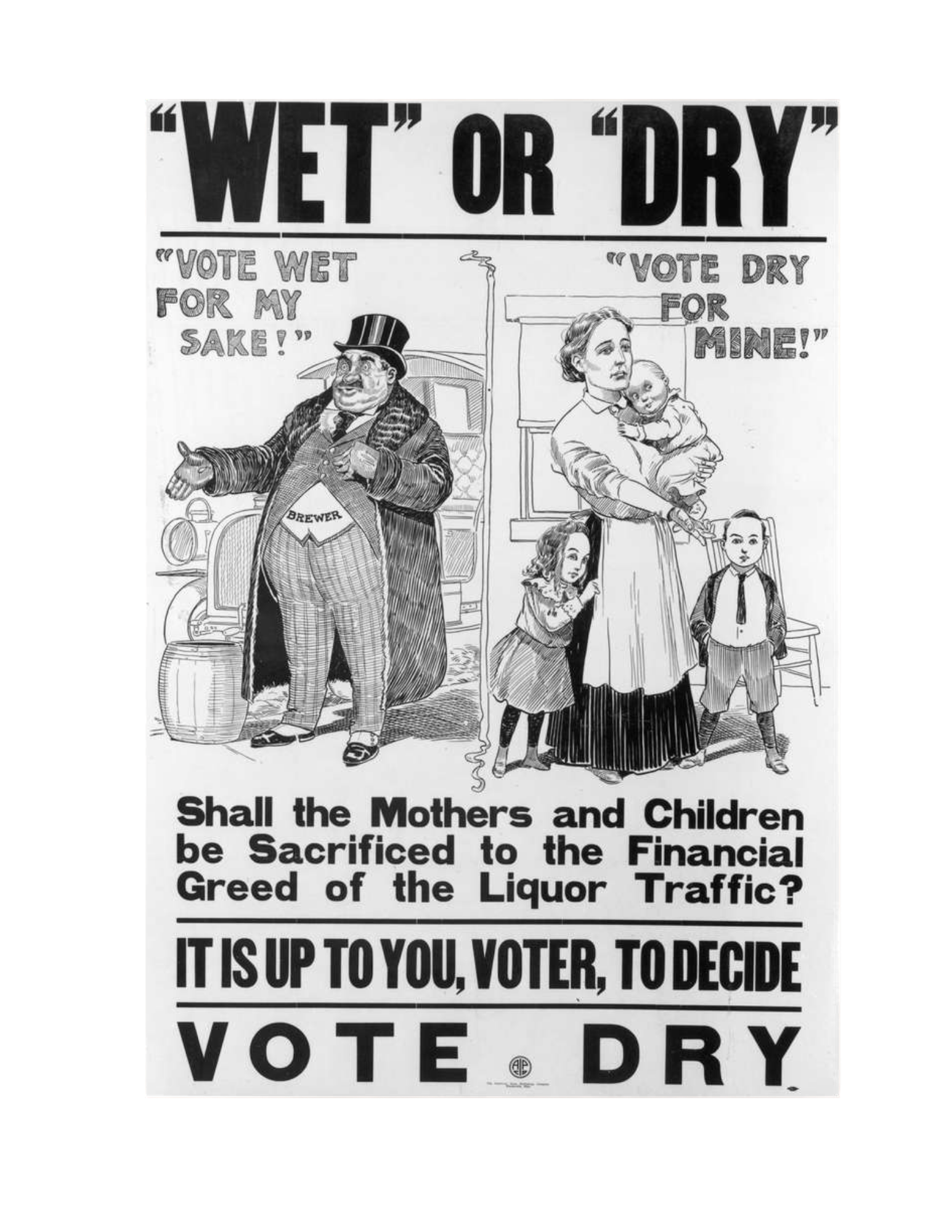
Vote Wet or Dry Courtesy of Westerville Public Library
By the late 19th century attitudes toward alcohol were changing. Men were going to bars and spending too much money on hard liquor, often becoming abusive. Young men died from liver disease with debts to the saloons.
“The saloon is the enemy of all good, the friend of all evil.” – 1892 TN Baptist Convention
People wanted to reform the country through prohibition laws. Organizations such as The Women’s Christian Temperance Union campaigned against liquor. In 1893, the Anti-Saloon League was founded to lobby against alcohol sales. They published literature and sponsored speakers against the dangers of liquor.
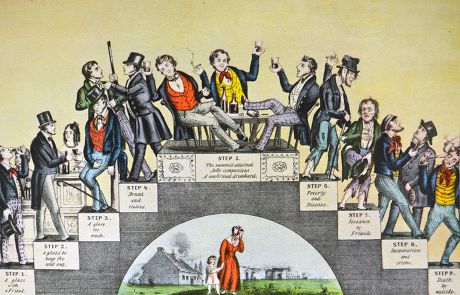
Stages of Drunkenness Courtesy of Getty Images
“The manufacture and sale of alcoholic beverages, in view of the moral certainty that they will be used, nine times in ten, to the injury, if not the ruin, of their consumers, is an immoral and destructive business.”
- Horace Greeley at the Whole World’s Temperance Convention 1853
Nolan Adams, Thomas Cripe, Holden Pate, Conrad Sims, and Eli Taylor
Senior Group Website